Commercial Slabs Fort Collins
Heavy-duty commercial concrete slabs built to withstand heavy loads and shifting Colorado soils.



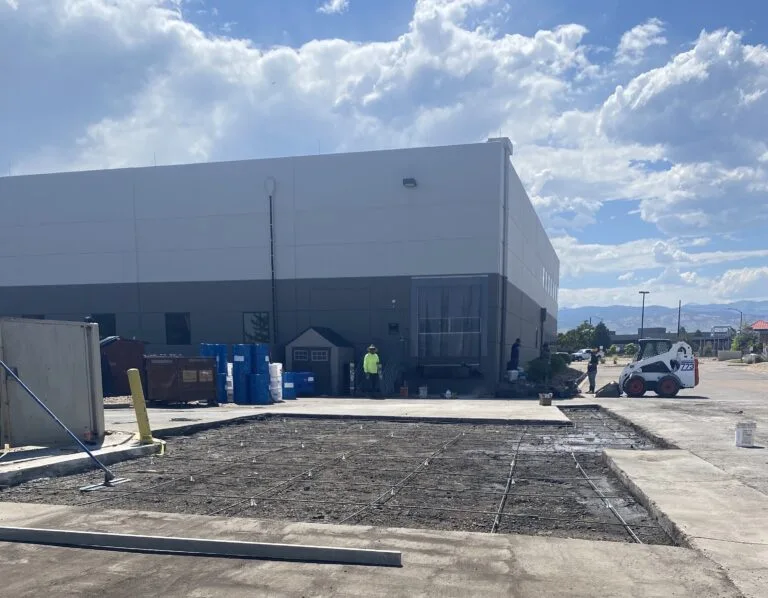
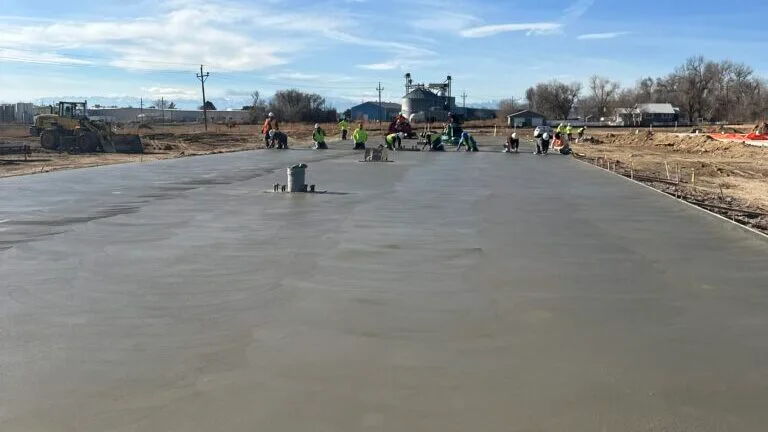
When you need Commercial Slabs Fort Collins business properties can depend on, you are looking for concrete that stands up to heavy machinery, high-volume shipping traffic, and our unpredictable Colorado weather. A cracked loading dock or an uneven warehouse floor is more than a nuisance; it is a liability that can slow down your daily work and damage your equipment. We build thick, reinforced structural pads that handle heavy axle loads without shifting or sinking into the ground.
Our local soil in Northern Colorado contains high levels of clay, which swells when wet and shrinks when dry. If your contractor does not prepare the ground right, your new slab will crack before the year is out. We dig deep, remove the unstable topsoil, and compact a thick gravel sub-base to give your concrete a solid foundation. We work closely with the guidelines set by the American Concrete Institute to make sure every mix we pour has the correct air-entrainment and structural strength for our freeze-thaw cycles.
You shouldn't have to worry about whether your contractor pulled the right permits or followed the local building codes. We handle all the permitting with the city, set up the inspections, and manage the entire pour from the first shovel of dirt to the final broom finish. Whether you need a small dumpster pad behind your shop, a new parking lot lane, or a complete warehouse floor, we bring the machinery and the skilled crew to get the job done on schedule. While our main focus is helping homeowners with concrete driveways and strong garage floors, we bring that same residential care and precision to our light commercial projects.
Our Process
Our Commercial Slab Process
Site Excavation
We clear the site and dig down to stable ground. Our team removes any organic material or soft clay that could cause your new slab to settle unevenly over time.
Sub-Base Compaction
Forming and Reinforcement
The Concrete Pour
Curing and Control Cuts
Pricing Guide
What Determines Commercial Slab Costs
Slab Thickness and Mix Design
A standard four-inch slab works for light foot traffic, but commercial parking bays and dumpster pads require six to eight inches of high-strength concrete to prevent cracking under heavy loads.
Steel Reinforcement Density
The amount and thickness of the steel rebar grid we install inside your concrete plays a massive role in the final cost. Heavy load zones need more steel to prevent structural failure.
Subgrade Preparation Work
If your property has wet, expansive clay soil, we must excavate deeper and import more gravel base material. Proper ground preparation is always cheaper than replacing a failed slab later.
The Contractor You Choose
Working with a licensed and insured contractor who has 5 years of local experience protects your investment. Cheaper quotes from uninsured crews often mean skipped soil compaction, thin gravel bases, and no liability protection if something goes wrong on your property.
Warning Signs
Signs You Need to Replace Your Slab
When one side of a crack sits higher than the other, the soil beneath has failed, creating a dangerous trip hazard for your customers.
Slabs that sink in the middle collect water, which speeds up concrete damage during our winter freeze-thaw cycles.
If the top layer of your concrete is flaking off in large chunks, the original mix was likely watered down or poorly finished.
Common Questions
Frequently Asked Questions